
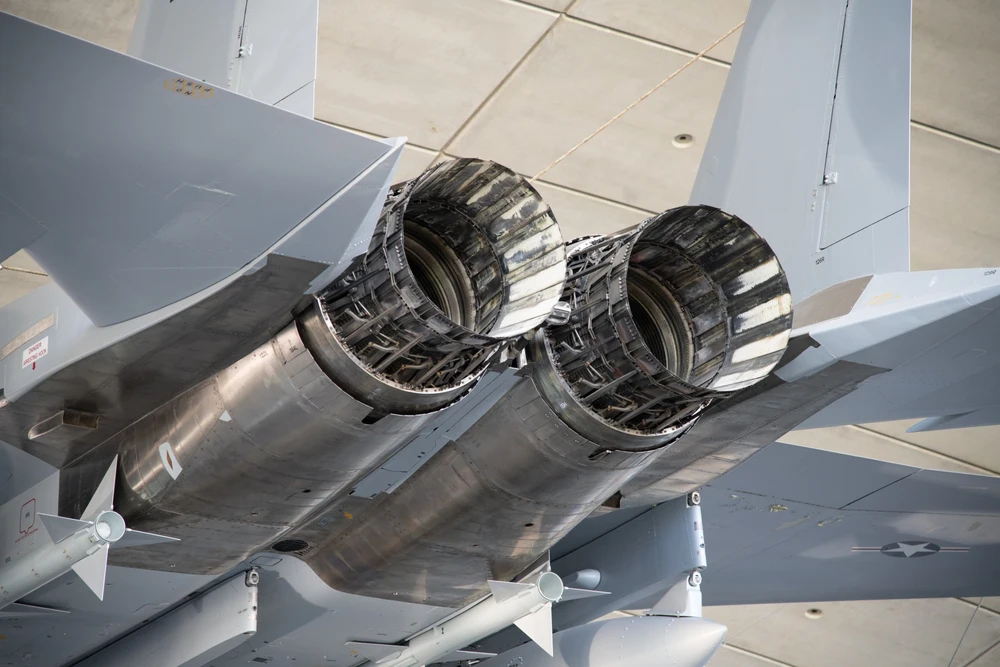
Titanium isn’t just highly durable and resistant to corrosion. It’s also exceptionally lightweight compared to metals with similar qualities. This strength-to-weight ratio means titanium is often found in aerospace applications, where vehicles must be capable of withstanding extreme forces but also as light as possible for fuel efficiency.
But titanium comes in a wide range of alloys and grades that all bring their own unique qualities. This means a major part of aircraft engineering is knowing which types of titanium provide the best performance under the circumstances. Read on to learn more about the various grades of aerospace titanium used in aircraft construction and as well as the various components they typically are used to create.
Common Titanium Alloys Found in Airplane Construction
Ti-6AL-4V
Consisting of titanium blended with aluminum and vanadium, Ti-6Al-4V provides a high strength-to-weight ratio as well as strong corrosion resistance. For these reasons, it is the most commonly used form of titanium in aircraft construction. Some common use cases for complex aerospace components include airframes, engine parts, and landing gear assemblies.
Ti-6Al-4V ELI
The main distinction between this alloy and Ti-6Al-4V is that it contains far fewer interstitial elements such as iron, oxygen, or carbon. Compared to the standard version, this alloy provides more ductility and fracture toughness. This means it is often selected when creating aircraft components that must be exposed to extreme stresses.
Ti-6AL-4V STA
The “STA” in its name refers to the additional heat treatment process this alloy undergoes during production. This is done to ensure it has greater hardness and better mechanical properties than other similar alloys. It is employed frequently in the aircraft manufacturing process to reduce the weight of aerospace components without losing the resistance to extreme forces.
Ti-6AL-2Sn-4Zr-2Mo
The presence of additional elements zirconium, tin, and molybdenum are what give this alloy higher resistance to corrosion than even other titanium alloys. It’s also easier to weld and fabricate, making it well suited for numerous manufacturing process such as hot and cold rolling. This is often used to fabricate parts for jet engines, due to its extreme heat tolerance.
Ti-6AL-6V-2SN
With small amounts of copper alloyed into this variant, it has a higher strength than others. However, the tradeoff is that it also has lower ductility and toughness. It’s typically used for aerospace applications that call for high resistance to extreme conditions.
Examples of Titanium Components in Aircraft
Some of the most frequently manufactured elements of airplanes that use titanium include:
- Jet engine components: Because jet turbines are capable of generating extremely high temperatures, titanium is used to fabricate many of the parts that are exposed to this intense heat.
- Heat shielding: The heat resistance of titanium alloy also makes it valuable as a heat shield for other components that may be affected by extreme temperatures but could not be made out of titanium themselves.
- Bolts and fasteners: Holding critical components together even when subjected to extreme forces calls for titanium fasteners that offer superior strength.
- Fuselage frames: The durability of titanium makes it a good choice for aircraft structures that have to support the structure of the plane but contribute as little weight to the overall aircraft as possible.
Finding the Right Titanium Supplier
As important as selecting the proper grade of titanium for aircraft components is finding the supplier who can make that sourcing easier. As a leading provider of domestic and important titanium stock, Titanium Processing Center is the source trusted by countless aerospace manufacturing companies to provide the right materials for their specific needs.
With more than 25 years of experience serving the aerospace sector, TPC knows more about what manufacturers need than just about anyone. We back up our extensive product and aerospace industry knowledge with competitive pricing structures, fast lead times, and strong customer service. No matter what their needs are, we strive to build long-lasting relationships with our customers and serve a critical role in helping them achieve the highest levels of quality in their projects. If you are in the aerospace manufacturing sector and want to know how TPC can deliver the right materials for your needs, reach out and speak with a member of our staff today.