What to Look For in Industrial Titanium
Selecting industrial titanium involves more than choosing a convenient stock size. Alloy grade, mechanical requirements, certification, surface condition, processing requirements, and dimensional specifications can all affect suitability.
Alloy Grade and Mechanical Properties
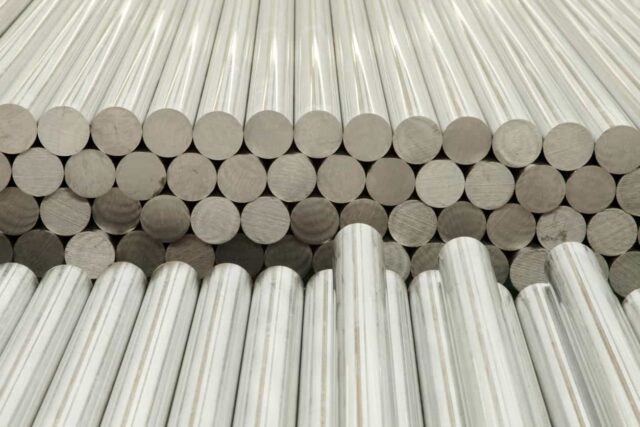
The first major consideration is the titanium grade. Ti-6Al-4V, commonly known as Grade 5, contains aluminum and vanadium and is valued for high strength, relatively low weight, durability, and corrosion resistance. TPC supplies Ti-6Al-4V in forms including billet, round bar, plate, and sheet.
Commercially pure titanium grades offer a different balance of properties. Grade 2, for example, is commercially pure titanium and is frequently selected when corrosion resistance and formability are central requirements.
The best choice depends on the application. Manufacturers requiring higher mechanical strength may prefer Ti-6Al-4V, while commercially pure titanium may be more suitable when exceptional corrosion performance is the primary concern.
Certification and Mill Traceability
Certification and traceability are especially important when purchasing industrial titanium for tightly controlled applications. Buyers should request the appropriate mill test reports or certificates and confirm that the supplied material meets the specification listed on the purchase order. TPC supplies domestic and DFAR-compliant materials with original mill test certificates for complete traceability. We are AS9100 and ISO 9001 certified.
Surface Condition and Finish
Surface condition should also be defined during material selection. Buyers should identify the required mill surface condition and any applicable finish requirements before placing an order, particularly when the titanium will remain visible or undergo additional surface processing.
Titanium can also receive decorative surface treatments, including anodized colors. Depending on subsequent finishing processes, titanium parts may be given colors or cosmetic appearances such as a rose gold appearance. These should be treated as downstream finishing requirements rather than inherent characteristics of the base titanium stock.
Near Net-Shape Processing and Services
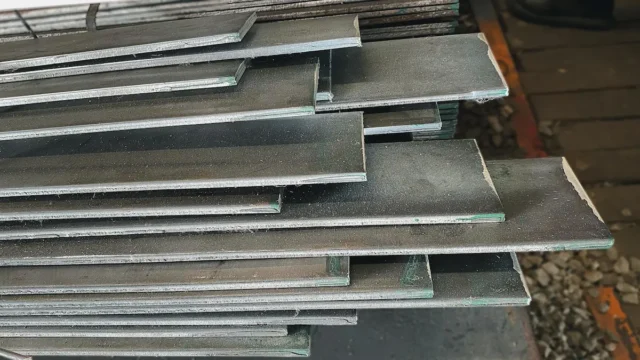
Ordering material closer to the dimensions required for manufacturing can reduce downstream handling and material removal. TPC provides value-added processing capabilities including band sawing, plate sawing, waterjet cutting, and shearing. Additional processing capabilities may be available based on the material and order requirements. The distinction between processing and fabrication is important.
TPC is a stocking distributor and processing center. Our cutting services should be viewed as producing near net-shape or near net-size material, giving customers appropriately processed stock for their own final machining, forming, fabrication, or manufacturing operations.
Thread Compatibility and Internally Threaded Parts
Thread specifications should never be overlooked when ordering threaded titanium components. A fitting made from the correct titanium grade is not useful if its thread form, pitch, size, or engagement requirements are incompatible with the mating component.
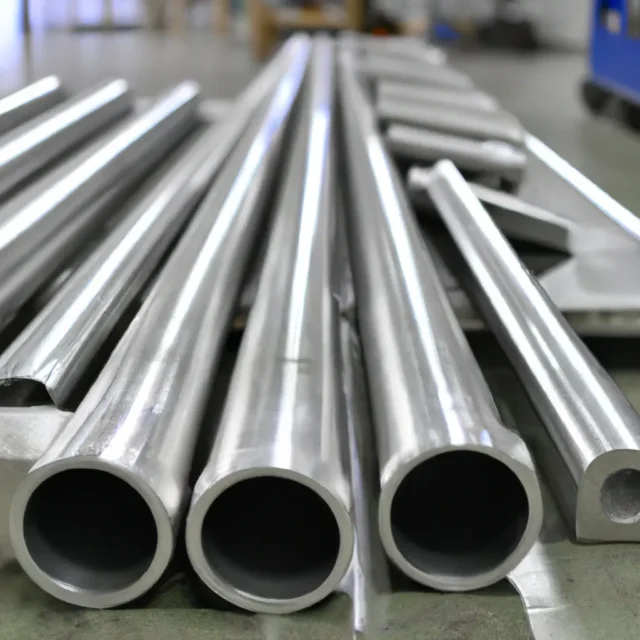
When ordering internally threaded fittings, threaded elbows, flanges, pipe components, or threaded rod, specify the applicable thread standard and dimensions. Engagement length and other assembly requirements should also be confirmed. Providing these details during the quoting process helps ensure the supplied material is appropriate for the customer’s downstream application.