Marine Titanium

The Need for Marine Titanium

Marine titanium refers to commercially pure titanium and titanium alloys selected for service in seawater, coastal environments, offshore systems, desalination equipment, and other demanding marine applications. Titanium is valuable in these settings as it combines excellent corrosion resistance with a high strength-to-weight ratio, long service life, and dependable performance across a range of operating conditions.

Unlike many conventional metals, titanium naturally forms a stable passive oxide layer that helps protect the material from saltwater corrosion. This characteristic makes marine titanium resistant to many forms of pitting and corrosion encountered in seawater service. Titanium is also substantially lighter than steel, making it attractive for marine engineering projects in which reduced component weight can improve system efficiency or simplify structural requirements.

Titanium Processing Center (TPC) supplies commercially pure and titanium alloy products for marine projects of virtually any size. As a fully stocked titanium distribution center, TPC offers titanium bar, sheet, plate, pipe, tubing, threaded rod, wire, elbows, flanges, stub ends, threaded fittings, and pipe plugs. There are no minimum order requirements, so customers can purchase anything from a small cut piece to material for a large production order. Contact us today.
Types of Marine Titanium Products

Selecting the appropriate titanium products depends on the operating environment, mechanical requirements, temperature, and design of the marine system. TPC stocks a broad range of titanium forms and grades to support applications ranging from heat exchangers and desalination systems to offshore structures and underwater equipment.

Bars, Billets, Rods, and Threaded Rod

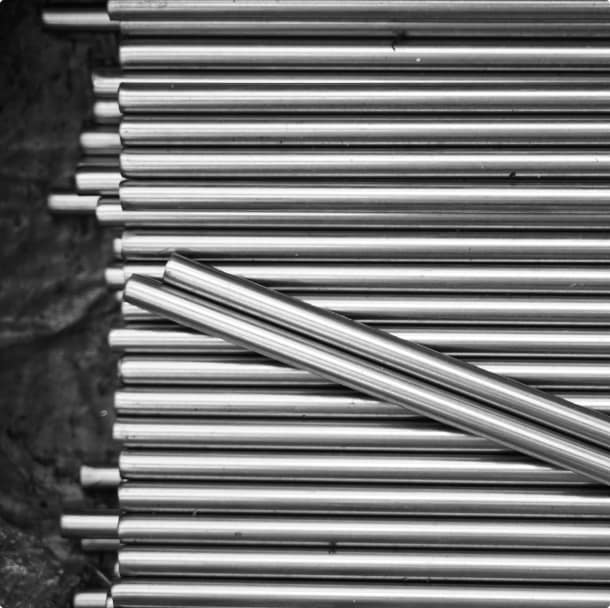
Titanium bar, billet, rod, and threaded rod are commonly used for marine structural components, fasteners, shafts, joints, supports, and other applications requiring strength and corrosion resistance. Grade 2 commercially pure titanium is frequently selected where seawater corrosion resistance and formability are primary concerns. Ti-6Al-4V, commonly known as Grade 5 titanium, is well suited to applications requiring greater mechanical strength while maintaining a relatively low weight.

TPC maintains bar, rod, and billet inventory in multiple sizes and can provide material in quantities for both small and large requirements. Band sawing and other processing services are available to supply near-net-size pieces, reducing the amount of material customers may need to remove during their own final fabrication processes.

Sheet, Plate, Tube, and Pipe

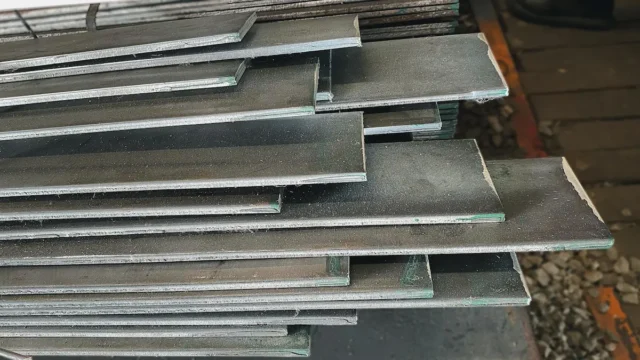
Titanium sheet and plate are used throughout marine engineering for heat-transfer equipment, structural assemblies, covers, liners, and corrosion-resistant system components. Grade 2 and Ti-6Al-4V are among the titanium grades commonly considered for marine service, depending on the required balance of corrosion resistance, strength, temperature capability, and mechanical performance.

TPC stocks titanium sheet and plate across a variety of thicknesses and sizes. Plate sawing, shearing, and waterjet cutting are available when customers need material supplied closer to their required dimensions. These processes provide near-net-size or near-net-shape material for subsequent customer finishing rather than final fabricated components.

Titanium pipe and tubing are particularly important for seawater handling, cooling, desalination, heat exchangers, condensers, and other fluid-processing systems. Pipe inventory can also be paired with compatible titanium elbows, flanges, stub ends, threaded fittings, and plugs for project purchasing requirements.

Threaded Fittings, Elbows, Flanges, and Plugs

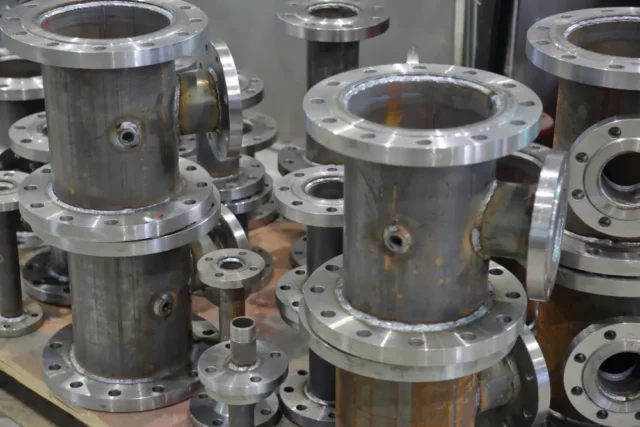
Marine piping systems often require more than straight lengths of titanium pipe. TPC also supplies titanium elbows, flanges, stub ends, threaded fittings, and threaded pipe plugs. For applications with strict quality requirements, procurement teams should confirm that fittings and related titanium products include applicable material documentation and traceability. Maintaining traceability from the mill through distribution can be particularly important for marine, aerospace-related, defense, offshore, and other mission-critical applications.

Marine Engineering and Marine Applications

Titanium is used across numerous marine industries, including commercial shipbuilding, offshore oil and gas, desalination, coastal power generation, naval systems, subsea equipment, underwater vehicles, and oceanographic instrumentation.

Heat Exchangers and Desalination

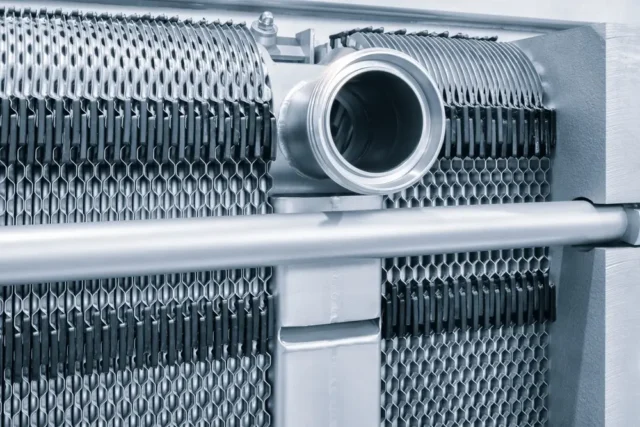
Titanium tubing, sheet, and plate are widely considered for condensers, heat exchangers, and desalination equipment exposed to seawater. Titanium’s corrosion resistance makes it especially useful in chlorinated seawater and other aggressive marine environments. Its resistance to seawater corrosion, combined with good heat-transfer performance, can support longer equipment life and reduced maintenance compared with materials that degrade more rapidly in saltwater service.

Offshore Drilling and Platform Components

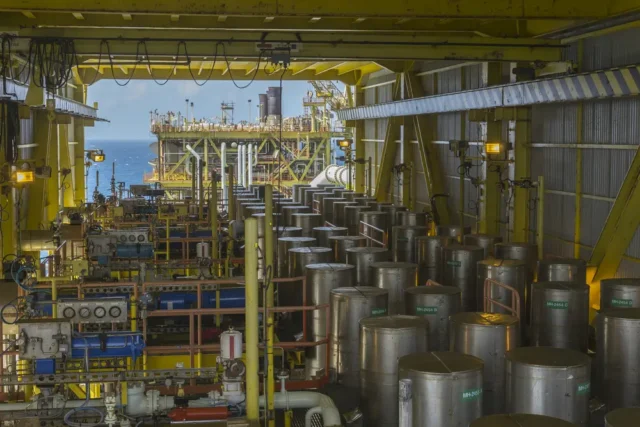
Offshore drilling systems and platforms may use titanium bars, rods, plate, and other product forms for structural, joint, fastening, and equipment applications. One of titanium’s primary advantages is its strength-to-weight ratio. Titanium is significantly lighter than steel while offering excellent mechanical properties, allowing marine engineers to reduce weight without automatically sacrificing the strength required for demanding service.

Naval Vessels and Submersible Components

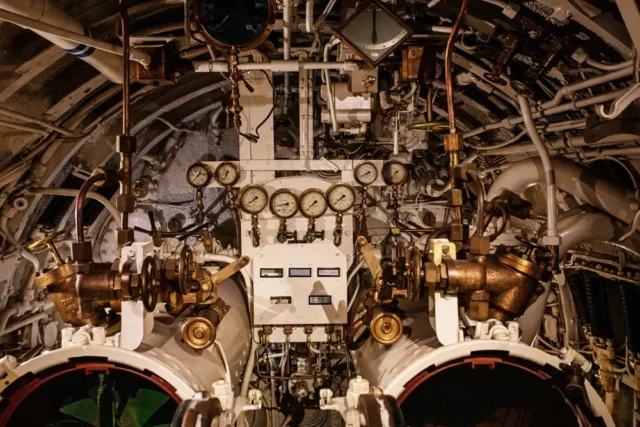
Titanium’s corrosion resistance, relatively low density, strength, and non-magnetic characteristics make it attractive for naval vessels, subsea systems, underwater vehicles, deep-sea instruments, and other specialized marine applications. For equipment expected to remain in seawater for extended periods, titanium can also help lower lifecycle costs by reducing corrosion-related maintenance and replacement requirements.

What to Look For in Marine Titanium Products

The most important properties of marine titanium include corrosion resistance, alloy composition, mechanical strength, temperature capability, traceability, and compliance with the appropriate material specification.

Grade 2 titanium is a common choice for seawater environments where excellent corrosion resistance is the priority. Ti-6Al-4V is often selected for strength-critical marine applications. Grade selection should always account for operating temperature, seawater chemistry, loading conditions, pressure, and the requirements established by the project’s engineering specification.

For critical applications, buyers should request applicable mill test reports and full traceability documentation. Quality management certifications such as AS9100, AS9120, and ISO 9001 may also be relevant depending on the supplier, customer, and industry requirements. Documentation should be reviewed against the specific specification governing the project rather than relying on grade designation alone.

Partner With the Leaders in Titanium Supply

Marine titanium provides a valuable combination of corrosion resistance, strength, low weight, and long service life for shipbuilding, offshore systems, desalination equipment, heat exchangers, subsea systems, and many other marine applications.

TPC gives customers access to a broad inventory of titanium products along with value-added titanium services such as band sawing, plate sawing, shearing, waterjet cutting, turning, drilling, and other near-net-size and near-net-shape processing services. Whether the requirement is a small cut piece or a large material order, TPC can help supply the titanium needed for the job.

Contact us today to learn more about how our titanium products will help you achieve your goals and how we can shape the future of the marine industry together.

Discover Premium Titanium Today from a Reliable Supplier.

Contact Us for Your Titanium Solutions.

Get a Quote